
Supply chain security is not a topic most businesses think about until something goes wrong. A consignment goes missing. A container is tampered with between port and warehouse. A high-value shipment arrives short. At that point, security gaps that seemed abstract become very concrete and very expensive.
For businesses moving goods regularly — whether pharmaceuticals, electronics, retail stock, or industrial equipment — security in the supply chain is an operational requirement, not a premium add-on. Integrated supply chain services can reduce security gaps by coordinating transport, warehousing, inventory visibility and delivery handovers through one managed process.
What Supply Chain Security Covers
Supply chain security spans every point where goods change hands or are in transit:
- Physical facility security: access controls, CCTV coverage, perimeter protection, and after-hours monitoring at warehouse and depot locations
- Vehicle and transport security: GPS tracking on freight vehicles, driver verification, and secure cab-to-dock procedures
- Documentation and chain of custody: ensuring the right people receive goods and that every handover is recorded with proof of delivery
- Information security: protecting the freight booking system, inventory data, and client information from unauthorised access
- High-value and regulated goods: additional security protocols for controlled substances, medical devices, electronics, and other theft-target categories
Where Supply Chain Security Risks Are Highest
In transit
Goods in transit are the most exposed. Freight sitting in an unsecured yard, a shared depot, or a vehicle overnight without GPS tracking or driver check-in is at risk. The Australian Federal Police’s National Freight Theft Prevention Program identifies the truck-stop overnight period and the last-mile delivery stage as the two highest-risk points in the freight journey. Businesses moving goods between states should assess whether their provider’s interstate transport services include appropriate tracking, communication, route planning and exception-management processes.
At handover points
Every time goods change hands — from manufacturer to transport, from transport to warehouse, from warehouse to despatch — there is a potential gap. Without a documented handover process that confirms quantity, condition, and authorised recipient, accountability becomes unclear when something goes missing.
Inside the warehouse
Internal theft is a consistent factor in supply chain losses globally. Access-controlled storage areas, camera coverage, and inventory management systems that flag discrepancies between expected and actual stock counts reduce exposure significantly.
How Tlc Enterprise Approaches Freight Security
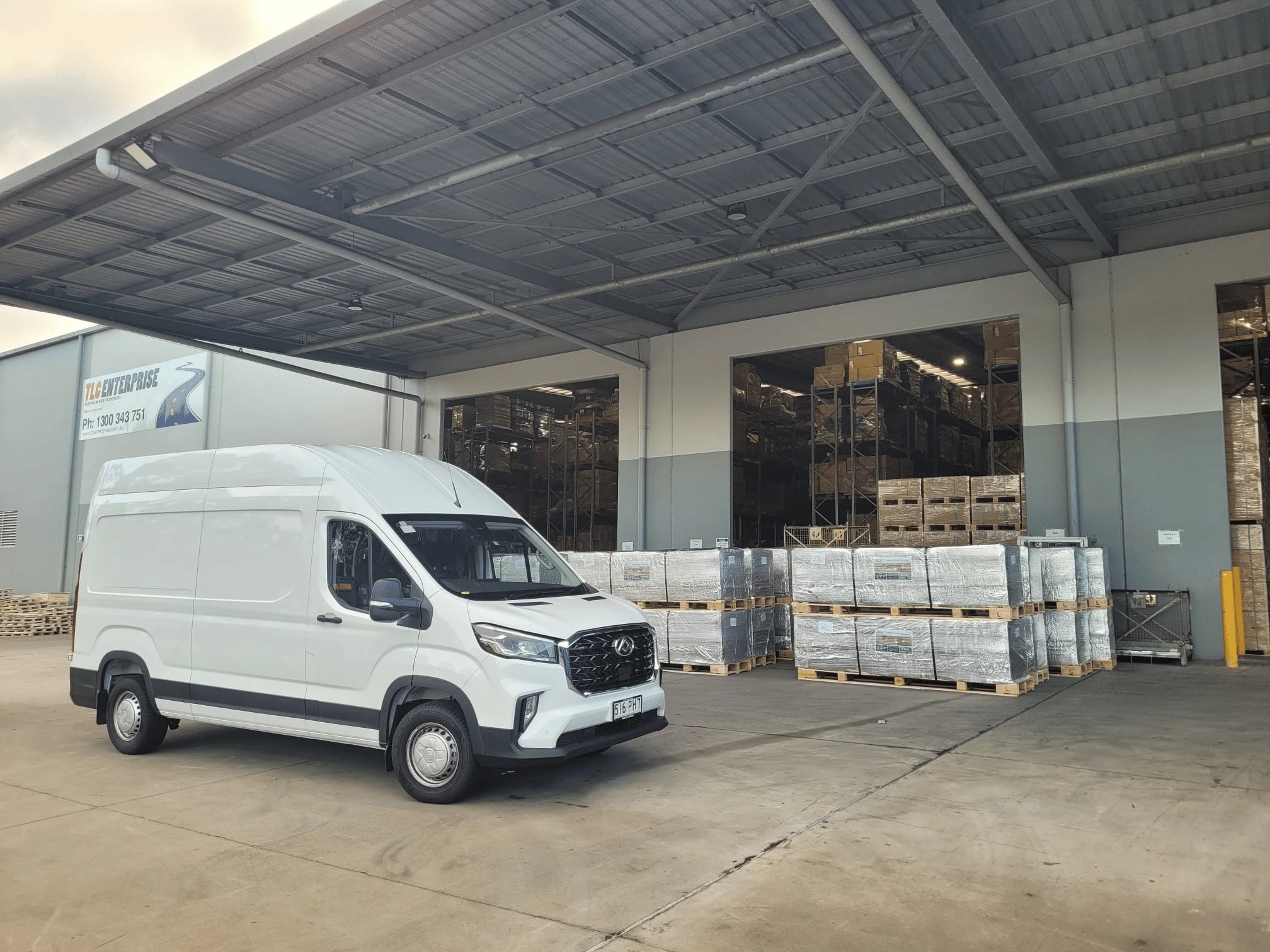
TLC Enterprise‘s warehouse facility at Truganina, VIC operates with 24/7 CCTV surveillance and access-controlled storage. All consignments are tracked through TLC’s supply chain IT platform, providing real-time visibility over shipment location and status.
For high-value, medical, or regulated freight, TLC applies specific handling protocols — including secure storage zones, documented chain-of-custody records, and proof of delivery confirmation that records the time, recipient, and condition at handover. These processes align with the expectations of pharmaceutical clients operating under TGA Good Wholesaling Practice and general high-value freight security standards.
Every client has a dedicated account manager — a named contact who handles exceptions, escalates issues, and communicates proactively when a disruption occurs. For freight security, this matters: a problem identified and communicated at the point it occurs allows intervention. A problem discovered at delivery, after the event, does not.
What Businesses Can Do to Improve Freight Security
- Require proof of delivery on all consignments — including recipient name, time, and condition notes
- Use freight insurance for high-value consignments — and confirm the provider’s coverage before an incident, not after
- Select carriers with GPS tracking on vehicles and a documented process for after-hours freight
- Ask logistics providers specifically what security measures apply to your product category
- Maintain accurate consignment records — weight, quantity, value — so discrepancies can be identified immediately
Need Greater Visibility and Control Over Your Freight?
Security gaps can occur during transport, warehouse storage, handovers and final delivery. TLC Enterprise supports businesses with secure warehousing, shipment tracking, coordinated freight management, documented delivery processes and freight-cover options suited to different cargo risks.
Use the Free Transport Health Check-Up for a no-cost review of your current freight and supply chain setup, or contact the TLC Enterprise team at bookings@tlcenterprise.com.au or 1300 343 751.
Frequently Asked Questions
TLC Enterprise provides access to freight insurance for consignments. Contact the team at bookings@tlcenterprise.com.au or visit the insurance page to discuss coverage options for specific freight types and values.
Chain of custody is the documented record of every person or organisation that has handled a consignment from origin to destination. Each handover is recorded with confirmation of who received the goods, when, and in what condition. For regulated freight — pharmaceuticals, legal evidence, high-value electronics — chain of custody documentation is often a compliance requirement.
Real-time tracking gives the shipper and the logistics provider visibility over where freight is at any given moment. If a vehicle deviates from its route, if a consignment is stationary longer than expected, or if a planned collection has not occurred, the tracking system flags the exception. Early detection allows intervention before the freight is lost or compromised.
Contact the logistics provider immediately with the consignment reference, origin, destination, and last known tracking status. The provider should initiate a trace with the carrier and escalate to a claims process if the goods cannot be located. Having accurate consignment records — weight, item count, declared value — at the time of booking makes this process faster and supports any insurance claim.