
When a customer is waiting, a production line has stopped or a shop shelf is about to run empty, express freight can feel like the only option. But if every shipment goes express, freight costs climb fast. On the other hand, sending everything standard can cost you customers when timing really matters.
The answer is not one or the other. It is knowing when each one earns its place. Here is how express freight vs standard freight compare, and how to decide which your business should use for each shipment.
What Is the Difference?
- Standard freight is the everyday option. Consignments are usually consolidated with other freight, moved through depots on scheduled linehaul services and delivered within the carrier’s normal transit time for that route.
- Express freight prioritises speed. It may use a dedicated vehicle, a faster or overnight linehaul service, priority handling at depots or air freight for longer distances, so goods arrive sooner and on a tighter timeframe.
Express vs Standard Freight: Quick Comparison
| Factor | Express freight | Standard freight |
|---|---|---|
| Speed | Faster, often same day or next day | Normal transit time for the route |
| Cost | Higher, sometimes much higher | Lower and more predictable |
| Handling | Priority handling, fewer stops | Consolidated through depots |
| Booking | Tighter cut-off times, often short notice | More flexibility, best booked ahead |
| Size and weight | Best for smaller, lighter consignments | Handles everything from cartons to full loads |
| Best for | Urgent, time-critical or high-value deliveries | Planned replenishment and routine orders |
Types of Express Freight
Same-day metro
A vehicle collects and delivers within the same metro area on the same day. It is ideal for urgent parts, stock transfers between sites and time-critical customer deliveries.
Overnight and next-day road express
Freight travels overnight on priority linehaul services between major cities, arriving the next business day on many routes.
Air express
For long distances, such as between the east coast and Perth or Darwin, air freight can move urgent consignments much faster than road. It costs more and has size, weight and dangerous goods restrictions.
Dedicated or time-critical services
A dedicated vehicle travels directly from pick-up to delivery, with no other stops. It is often used for breakdown parts, medical supplies and high-value goods.
When Express Freight Is Worth It
Choose express freight if:
- Downtime is expensive, such as a broken machine, a stopped production line or a mine site waiting on parts
- A customer commitment is at stake, such as a promised delivery date, a retail launch or an event
- Stock has run out of a fast-selling product and lost sales cost more than the freight
- The goods are urgent by nature, such as medical supplies
- The goods are high value or sensitive, and fewer handling points reduce risk
- Your customer has paid for it, such as express shipping at an online checkout
When Standard Freight Makes More Sense
Choose standard freight if:
- The shipment is planned, such as regular stock replenishment between warehouses
- The freight is bulky or heavy, where express pricing would be very high
- There is flexibility in the delivery date
- Cost matters more than speed, especially for low-margin products
- You can consolidate orders into larger, more efficient shipments
The Real Cost of Express
Express freight is not just the higher rate on the invoice. When businesses rely on it too often, it usually points to a planning problem, such as stock held in the wrong place, late ordering or poor forecasting. Before paying for express again, ask why it was needed. Fixing the cause often saves far more than negotiating a better express rate.
How to Use Less Express Freight
- Forecast and order earlier, especially before peak periods such as Christmas and end of financial year
- Hold safety stock of critical and fast-moving items
- Use warehousing services to store stock closer to customers in other states, helping reduce delivery times and reliance on express freight
- Set clear rules for when express can be used and who approves it
- Offer customers a choice of standard and express at checkout, so those who need speed pay for it
- Consolidate shipments and book standard freight ahead of time
For more ways to keep freight spend in check, read our guides on how to reduce interstate freight costs and FTL vs LTL freight in Australia.
Common Mistakes
When weighing up express freight vs standard freight, watch out for these traps:
- Using express by default for every order, regardless of urgency
- Missing express cut-off times, so the premium is paid but the delivery is not faster
- Sending heavy or bulky freight express when a dedicated standard service would be similar in speed and cheaper
- Not tracking express use, so the reasons behind it are never fixed
Express and Standard Freight With TLC Enterprise
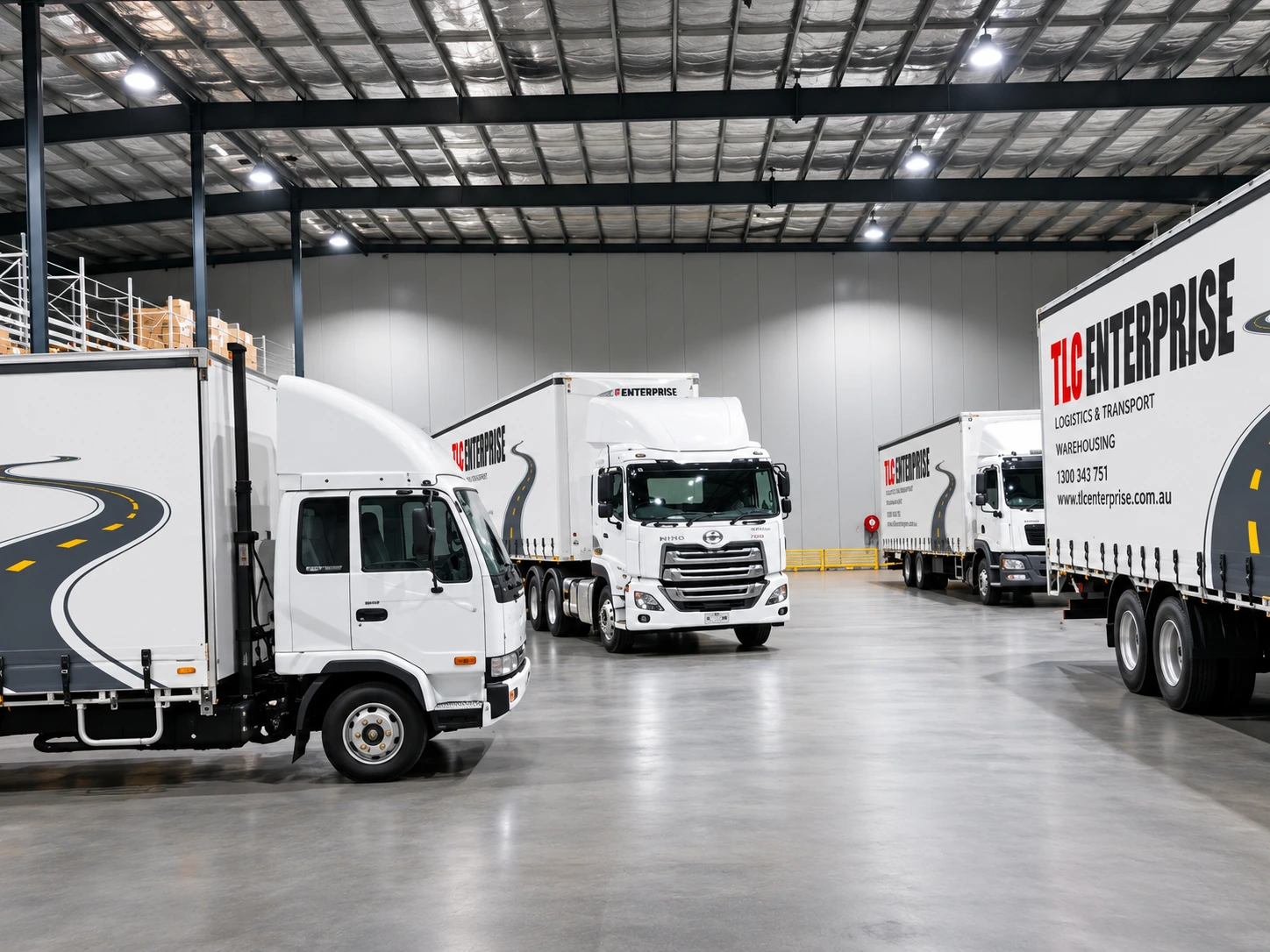
TLC Enterprise offers both express freight for urgent deliveries and standard transport, including interstate freight, local and metro distribution, full truckload and less than truckload services, plus air freight forwarding. With warehousing in Melbourne (Truganina), Sydney, Brisbane, Adelaide and Perth, we can also help you hold stock closer to your customers, so standard freight arrives faster and you need express less often.
If you need flexible bookings, our article on why businesses are choosing on-demand transport explains how short-notice freight works.
Need Help Getting the Balance Right?
Talk to TLC Enterprise about your freight, delivery deadlines and budget, and we will help you decide when express is worth it and when standard will do the job.
Email bookings@tlcenterprise.com.au or call 1300 343 751 to discuss your freight needs and explore cost-effective transport options.
Frequently Asked Questions
Express freight is a faster delivery service that prioritises speed through priority handling, faster linehaul services, dedicated vehicles or air freight.
It varies by route, size, weight and service, but express is usually noticeably more expensive than standard. Ask your provider to quote both so you can compare.
Usually, but only if the freight is booked before the cut-off time and ready for collection. Missing a cut-off can mean paying more for little or no time saved.
Yes, many providers offer express road services for palletised freight, although size and weight affect price and options. Air express works best for smaller, lighter consignments.
Plan and forecast earlier, hold safety stock of key items, store stock closer to customers and set clear rules for when express is used.