
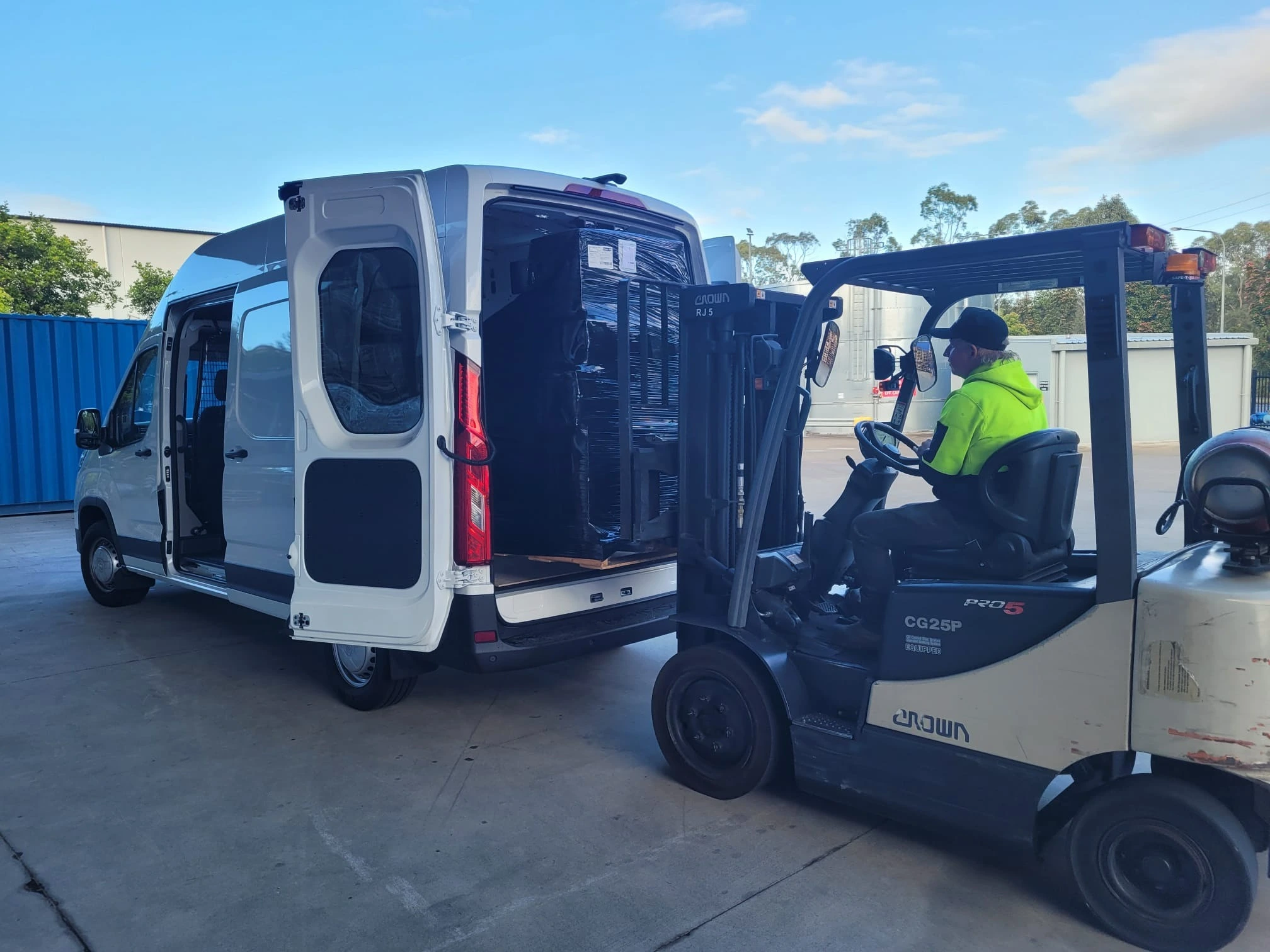
Every business that moves pallets eventually faces the same question: do we book a whole truck, or share space with other freight? Get it right and you move stock efficiently at a fair price. Get it wrong and you either pay for empty space or watch time-critical stock take the long way through depots.
Here is a practical guide to FTL vs LTL freight in Australia: how each works, how they are priced, typical shipment sizes and when each one makes sense.
What Do FTL and LTL Mean?
- FTL (full truckload) means you book the whole truck for your freight. It is loaded at your site and travels directly to its destination, usually without being unloaded along the way.
- LTL (less than truckload) means your freight shares space with consignments from other businesses. It is usually collected, consolidated at a depot, moved on a linehaul truck with other freight, then sorted again for delivery.
In Australia, LTL is also called general freight, part load or pallet freight, depending on the carrier.
FTL vs LTL: Quick Comparison
| Factor | FTL (full truckload) | LTL (less than truckload) |
|---|---|---|
| Typical shipment size | Large volumes, often half a truck or more | One to several pallets or cartons |
| How it is priced | Per truck, for the lane and vehicle type | By weight, cubic size or pallet spaces used |
| Route | Direct from pick-up to delivery | Via one or more depots |
| Handling | Loaded once, unloaded once | Handled several times through depots |
| Transit time | Usually faster and more predictable | Usually longer and more variable |
| Damage risk | Lower, with less handling | Higher, with more handling |
| Best for | Bulk stock moves, warehouse transfers, high-value or fragile loads | Smaller, regular shipments and many destinations |
How FTL and LTL Freight Is Priced
FTL pricing
FTL is usually priced per truck for a particular lane, such as Melbourne to Brisbane, and vehicle type. You pay for the whole truck whether it is full or not, so the cost per pallet falls as you fill more of the space. Pricing is influenced by distance, vehicle size, loading and unloading requirements, waiting time and demand on that route.
LTL pricing
LTL is priced by how much space and weight your freight takes up. Many Australian road carriers charge on whichever is greater: the actual weight or a “cubic weight” based on the size of the freight, often calculated at 250kg per cubic metre. Others charge per pallet space. You only pay for the space you use, which is ideal for smaller loads.
Extra charges to watch for
Both options can attract additional charges, so always check what is included in a quote:
- Fuel levies, which move with fuel prices
- Tailgate or hand-unload fees where there is no forklift at delivery
- Residential or difficult-access delivery fees
- Waiting time if loading or unloading takes longer than agreed
- Booking and timeslot fees for retail distribution centres
Shipment Sizes: Where Is the Tipping Point?
Most Australian freight moves on the Australian standard pallet, which measures 1165 x 1165mm. A standard semi-trailer typically fits around 22 to 24 of these pallets in a single layer.
As a rough guide:
- 1 to around 10 pallets: LTL is usually the most cost-effective option.
- Around 10 to 14 pallets: compare both. A part load or partial truckload quote may sit in between.
- More than about half a truck: FTL often becomes cheaper per pallet and is faster.
Weight matters too. Heavy freight can reach a truck’s weight limit before it fills the floor space, which can make FTL the better choice for fewer pallets. The real tipping point depends on your lane, freight and carrier rates, so it is worth comparing quotes for both.
When to Use FTL
Choose FTL if:
- You are moving a large volume of stock in one go, such as a warehouse transfer or container unpack
- Your freight is fragile, high value or sensitive to handling
- Delivery is time-critical and you need a predictable transit time
- You are shipping to a single destination, such as a retail distribution centre
- Your freight is heavy or bulky enough to use most of a truck
When to Use LTL
Choose LTL if:
- You ship one to several pallets at a time
- You send regular, smaller orders to many customers or locations
- Your freight is robust and well packed for depot handling
- You have some flexibility in delivery dates
- You want to keep freight costs proportional to the volume you ship
Can You Use Both?
Most businesses do. A common pattern is to use FTL to move bulk stock from a port, factory or main warehouse to warehouses in other states, then LTL or metro delivery to send smaller orders from those warehouses to customers. Using 3PL services to store stock closer to your customers can help reduce both freight costs and delivery times.
Australian Factors to Consider
- Distance: long interstate lanes, such as east coast to Perth or Darwin, make transit time and handling more significant.
- Freight imbalances: some routes have more freight heading one way than the other, which can affect FTL pricing and availability.
- Peak periods: capacity tightens before Christmas, during end of financial year and around major sales, so book early.
- Delivery sites: check whether receivers have forklifts and docks, or need tailgate delivery.
Common Mistakes When Choosing FTL or LTL
- Booking FTL for half-empty trucks without checking LTL or part load options
- Sending fragile freight LTL without packaging it for multiple handlings
- Ignoring cubic weight, which can make light but bulky freight more expensive than expected
- Not consolidating orders, so several small LTL shipments cost more than one larger one
- Comparing base rates only and missing fuel levies and extra charges
For more ways to manage freight spend, read our guide on how to reduce interstate freight costs without compromising delivery reliability.
FTL and LTL Freight With TLC Enterprise
TLC Enterprise offers both full truckload transport for larger volumes and less than truckload transport for smaller or shared consignments, along with interstate freight, local and metro distribution and express freight. Because we also provide warehousing, container unpacking and fulfilment, we can help you consolidate loads, store stock closer to customers and choose the right transport for each shipment.
Not Sure Whether FTL or LTL Is Right for You?
Talk to TLC Enterprise about your freight volumes, lanes and delivery needs, and we will help you find the most efficient option.
Call 1300 343 751 or email bookings@tlcenterprise.com.au to discuss your needs.
Frequently Asked Questions
FTL means booking a whole truck for your freight, which travels directly to its destination. LTL means sharing truck space with other consignments, usually moving through depots on the way.
For small shipments, yes. For larger shipments, FTL often becomes cheaper per pallet once you are using around half a truck or more, depending on the lane and rates.
A standard semi-trailer typically fits around 22 to 24 Australian standard pallets in a single layer, depending on the trailer and how the pallets are loaded.
Cubic weight is a calculated weight based on the size of your freight. Many Australian road carriers charge on whichever is greater, the actual weight or the cubic weight.
Usually. FTL travels directly without depot transfers, so it tends to be faster and more predictable, especially on long interstate routes.