
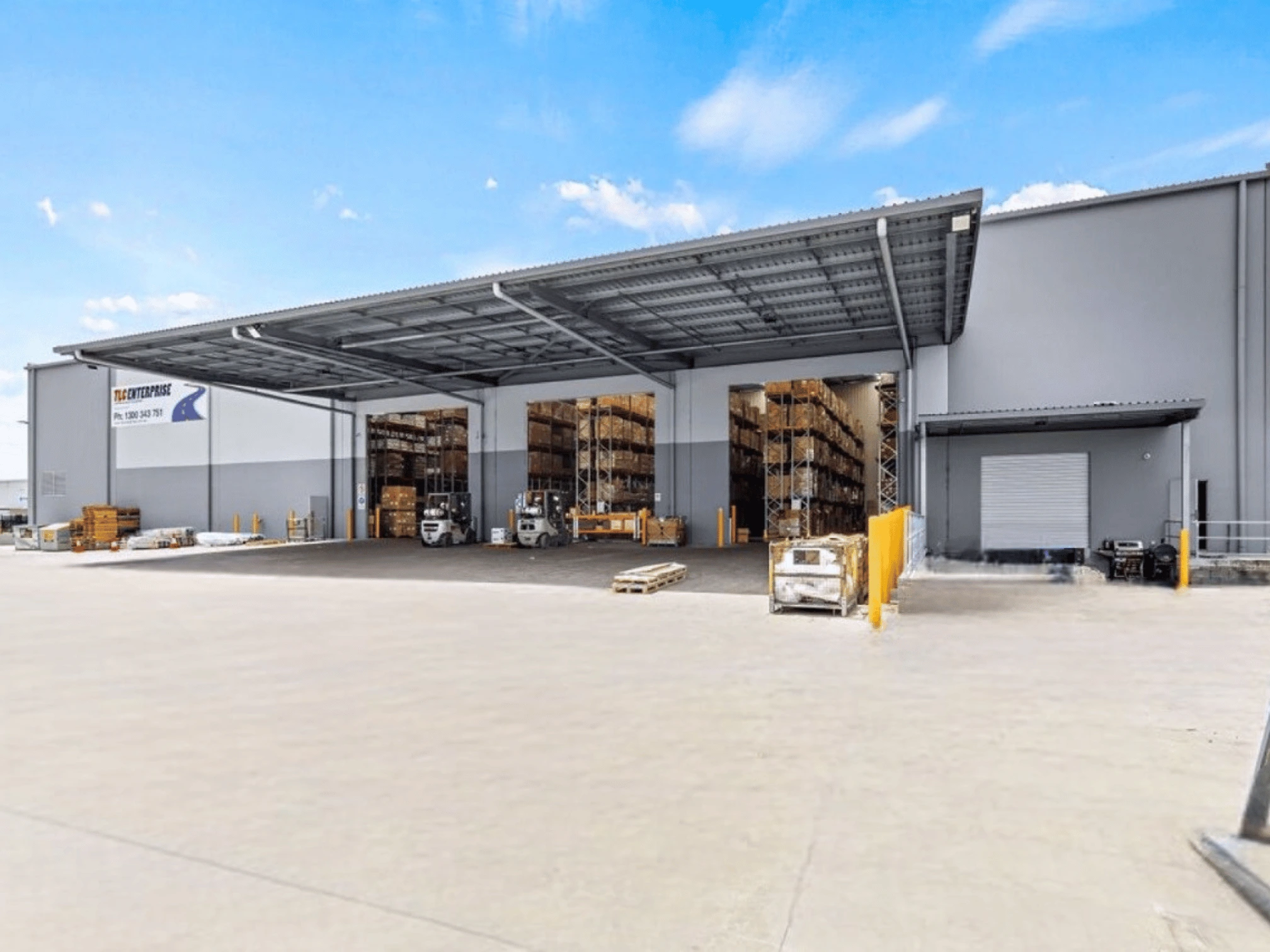
The terms fulfilment centre and warehouse appear in almost every logistics conversation, and most businesses use them as though they mean the same thing. They do not. Choosing the wrong setup for your business does not just create inefficiency — it means paying for capabilities you do not need while missing the ones you do.
The Core Difference
A warehouse stores goods. Its primary job is to hold inventory safely until it is needed. A fulfilment centre processes orders. Its primary job is to receive stock, pick individual items when a customer buys them, pack and label the order, and hand it to a carrier for delivery.
Both involve physical space and inventory, but they are optimised for entirely different outcomes. Warehouse operations are measured by storage density and stock accuracy. Fulfilment centre operations are measured by despatch speed, pick accuracy, and order error rate.
Key Differences at a Glance
| Factor | Warehouse | Fulfilment Centre |
|---|---|---|
| Primary purpose | Long-term or bulk storage of goods | Processing individual customer orders quickly |
| Order type | Pallet or carton-level wholesale orders | Individual consumer parcels |
| Layout design | Dense racking to maximise storage capacity | Short pick paths to maximise picking speed |
| Technology | Inventory tracking and warehouse management systems | WMS with real-time order management and platform integrations |
| Staffing model | Storage and inbound receiving focus | Pick, pack and dispatch team with throughput targets |
| Billing model | Usually based on pallets stored or space used | Usually based on receiving, storage, units picked and orders processed |
| Best for | Manufacturers, importers and wholesale businesses | Ecommerce brands selling directly to consumers |
When a Warehouse is the Right Choice
A standard warehouse suits businesses that move goods in bulk — importers receiving full container loads, manufacturers moving pallets to retail distribution centres, or businesses holding seasonal stock in large volumes before a promotional period. The focus is on safe storage, accurate stock counting, and outbound freight in carton or pallet quantities rather than individual parcel despatch. Professional warehousing services can support pallet storage, inbound receiving, inventory management and bulk outbound distribution while maintaining organised and accurate stock records.
When a Fulfilment Centre is the Right Choice
A fulfilment centre is the right fit when individual customer orders need to be despatched quickly and accurately. If the business sells through an online store and customers expect delivery within two to five business days, the fulfilment centre model — with its WMS integrations, scan-and-verify picking, and daily carrier collections — is built for that requirement.
According to IMARC Group’s 2024 Australian Third-Party Logistics Market report, Australia’s 3PL sector — which includes fulfilment centre operations — is projected to grow to USD 44.32 billion by 2033, driven largely by ecommerce demand for faster, more reliable order processing. TLC Enterprise’s ecommerce fulfilment services combine these capabilities for growing online businesses.
Can a Facility Be Both?
Yes. Many 3PL providers operate facilities that combine warehouse and fulfilment functions. Pallet-level stock for wholesale or retail is stored alongside pick-ready inventory for ecommerce orders. The same facility serves both B2B and direct-to-consumer channels from one account. For businesses selling across multiple channels simultaneously, this combined model removes the need to manage separate providers for storage and fulfilment.
Not Sure Whether You Need Warehousing or Fulfilment?
TLC Enterprise can assess your stock volumes, order types, sales channels and dispatch requirements to determine whether your business needs warehouse storage, ecommerce fulfilment or a combined 3PL solution.
Use the Free Transport Health Check-Up for a no-cost review of your current cold chain logistics setup, or contact bookings@tlcenterprise.com.au or 1300 343 751.
Frequently Asked Questions
Cost depends on usage. A warehouse charges primarily for space used. A fulfilment centre charges for the services performed — receiving, picking, packing, and despatch. For businesses with high order volumes, per-order fees can exceed storage costs. For businesses holding large stock quantities with infrequent despatch, warehousing rates are typically lower.
Yes, if the provider is set up for it. Many 3PL fulfilment operations handle both individual consumer parcels and carton or pallet-level orders to retail or wholesale customers from the same facility and the same inventory pool.
A warehouse may receive returned pallets or stock for restocking. A fulfilment centre handles individual customer returns — the parcel comes back, staff inspect it, and the item is either returned to sellable inventory or set aside based on the client’s returns policy.
It depends on order volume. A fulfilment centre adds most value when daily order volumes are consistent enough that the per-order cost is lower than the combined cost of staff time, packaging materials, and courier management done in-house. Most providers can advise on the volume threshold at which outsourcing becomes cost-effective.